
Moving to Columbus, Ohio sounds great on paper for a lot of people, and in many ways it really is. The city is growing fast, the cost of living is still more manageable than a lot of major metros, and there is real momentum here. But if we are serious about moving to Columbus, Ohio, we need the full picture, not just the polished version.
Columbus has strengths, but it also has tradeoffs. Some are small annoyances. Some are lifestyle issues. And a few can become deal breakers if we are not honest about what matters most to us.
The good news is simple. Most people who struggle after moving here usually did not choose the right area or came in with the wrong expectations. So before we make a move, here are the realities we should be ready for.
Table of Contents
- Weather and winter reality
- Growth, construction, and traffic
- City character and getting around
- Air quality, culture, and sprawl
- Sports, outdoors, and social tradeoffs
- Schools, costs, and location limitations
- Politics, entertainment, and final thoughts
- FAQ
Weather and winter reality
1. We get all four seasons, and winter is not mild
If we are moving to Columbus, Ohio expecting a gentle Midwest climate, we need to reset that expectation. Columbus gets all four seasons, and winter can be rough. Snow, ice, gray skies, and freezing temperatures are all part of the package.
For some of us, that is a plus. We like seasonal changes. We like fall colors, holiday weather, and a real break between summer and spring. But if we hate cold weather or do not want to deal with snow, Columbus can wear us down pretty quickly.
The flip side is that the other seasons can be beautiful. Spring and fall are especially enjoyable. Still, winter is one of those realities we cannot ignore when moving to Columbus, Ohio.
2. Winter weather does not come with big winter recreation
Here is the part that surprises people. Columbus has cold winters, but it does not come with the kind of mountain lifestyle that makes winter exciting for skiers and snowboarders. We are not sitting next to major slopes, and that matters if winter sports are part of how we recharge.
That means winter can feel more like something to get through than something to enjoy, especially if we are used to places where snow also means quick access to skiing or boarding.
If we love winter activities, we may still end up planning trips elsewhere to get that fix.
Growth, construction, and traffic
3. Columbus is growing fast, and construction is everywhere
One of the biggest realities of moving to Columbus, Ohio is stepping into a city that is expanding aggressively. New housing, commercial development, road work, and infrastructure projects are happening all over.
In the long run, this is a strong sign for the city. Growth usually means opportunity. It means jobs, investment, and a more dynamic local economy. But in the short term, it can be frustrating.
We need to be ready for detours, lane changes, noise, and that constant feeling that another project just started down the road. If we are coming from a slower-growth area, this can feel like a lot.
4. Traffic is becoming a bigger issue
Traffic is tied directly to that growth. Columbus is not in the same league as places like Los Angeles or New York, but for people who expect easy commuting, it can still be a rude awakening.
As development spreads and more people move in, congestion becomes more noticeable. Commutes get longer. Bottlenecks pop up. Peak travel times become less forgiving.
If we are moving to Columbus, Ohio for a job with a daily commute, route planning matters a lot more than many people assume. Leaving a little earlier can save a lot of aggravation.
City character and getting around
5. Columbus feels more modern than historic
Some cities charm us with old architecture, preserved districts, and a deep historic feel around every corner. Columbus is not really that kind of city.
It is a modern city. In many areas, it feels practical, newer, and still in the process of becoming what it wants to be. For a lot of people, that is appealing. It feels fresh and forward-looking.
But if we are craving heavy historic character, we may find Columbus a bit plain outside certain pockets.
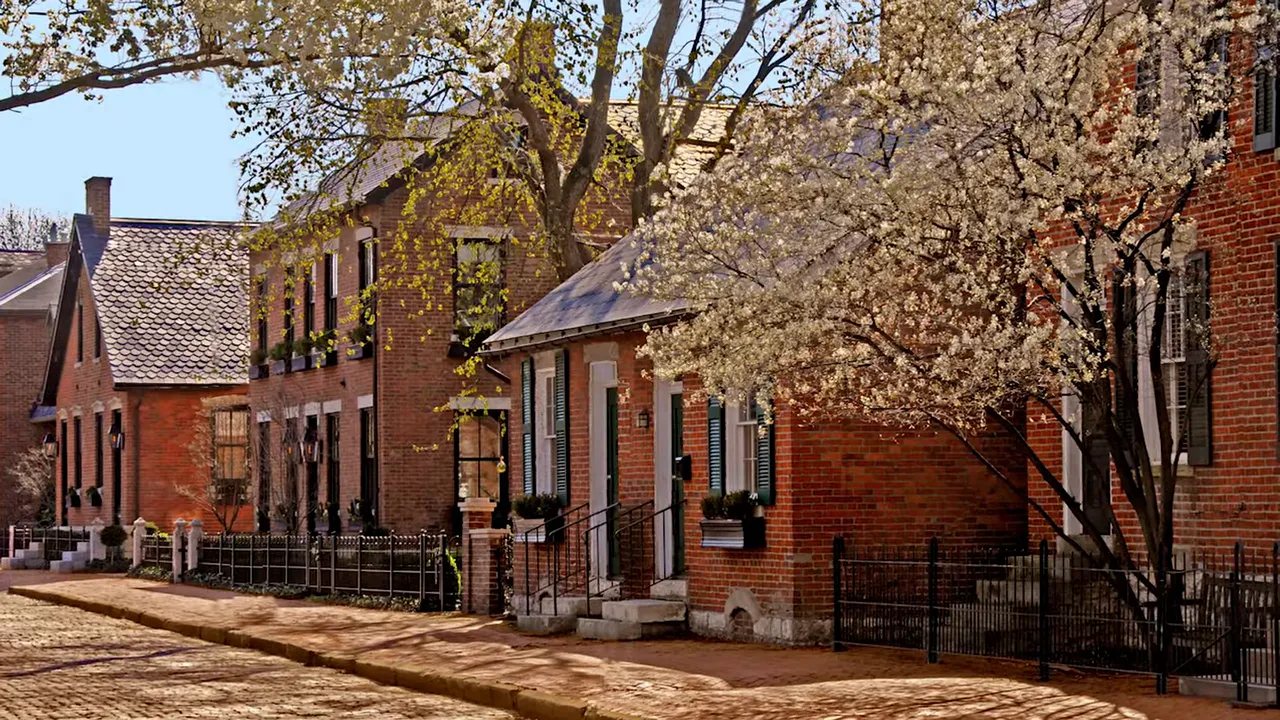
German Village stands out as the main exception. It has the older, more established atmosphere many people are looking for. Outside of areas like that, much of Columbus leans standard or modern.
View Homes for Sale in Columbus, OH
6. Public transportation is limited compared with bigger metros
This is a major one. If we are moving to Columbus, Ohio from a place with subways, commuter rail, or dense transit access, Columbus may feel inconvenient.
The city does have COTA, the Central Ohio Transit Authority, and it serves an important role. But the system does not function like the transportation networks in larger metropolitan areas. Bus trips can take a while depending on distance and route efficiency, and for many people, a car still feels necessary.
Rideshare helps, of course, but that is not the same as having an extensive built-in transit system. If we do not plan to drive, we should think carefully about where we live, work, and shop before moving to Columbus, Ohio.
Air quality, culture, and sprawl
7. Air quality can be a concern at times
Columbus and Franklin County generally have acceptable air quality, but that does not mean it is never an issue. During humid summer stretches, ozone levels can rise, and that can be a concern for people with sensitivities or respiratory issues.
This is not necessarily a daily problem year-round, but it is worth knowing. The city continues trying to improve conditions, yet it remains part of the conversation for some households considering moving to Columbus, Ohio.
8. The cultural scene is still developing
There is a common complaint that Columbus does not always feel as culturally rich as a city of its size should. That criticism comes up a lot. Whether we agree probably depends on what we compare it to.
Columbus is growing and evolving, and that includes its cultural identity. The city has more going on than people sometimes give it credit for, but it may not feel as layered or as internationally textured as older, larger cities.
For many of us, the bigger takeaway is that Columbus feels like a city in progress. Its cultural scene is not static. It is building.
9. Urban sprawl is part of daily life
Growth in Columbus does not just mean taller buildings downtown. It also means outward expansion. The metro keeps stretching, and that creates a more spread-out lifestyle.
Sprawl changes everything. It affects commute times, neighborhood feel, and how we think about convenience. A place can look close on a map and still feel farther away in day-to-day life.
This is one of those good problems and bad problems at the same time. Growth is positive. The growing pains are real.
Sports, outdoors, and social tradeoffs
10. Sports are a huge deal here
We should not underestimate how much sports shape the local identity. Ohio State football dominates conversations, emotions, and weekends. Then we add the Columbus Crew, Columbus Blue Jackets, and Columbus Clippers, and it becomes clear fast that this is a serious sports town.
If we love sports, this can be a lot of fun. If we do not, we may still hear about them constantly. And if we show up wearing the wrong rival colors, we should expect some strong opinions.
11. Outdoor recreation is decent, but not exceptional
Columbus has parks, trails, and places to get outside. That part is true. But if we are very outdoors-oriented, the city may feel limited over time.
There is a difference between having pleasant green space and having a truly elite outdoor lifestyle. Columbus offers the first one more than the second. If our ideal weekend involves major elevation, backcountry access, dramatic terrain, or endless adventure options, we may find ourselves planning trips out of town.
That does not make Columbus a bad fit. It just means we should match the city to the kind of life we actually want.
12. Economic disparity is visible
Like most major cities, Columbus has a wide gap between its wealthier areas and its struggling areas. We will see that difference in housing, schools, streetscapes, and access to amenities.
Downtown and central areas also have visible homelessness, which is part of the broader economic reality facing many growing cities.
This is not unique to Columbus, but it is absolutely something we should understand instead of pretending it is not there.

Schools, costs, and location limitations
13. School quality varies a lot depending on where we live
This point matters especially for families. Columbus has excellent higher education options, including major universities and specialized schools, which is a real strength for the region.
At the K–12 level, though, the picture is more uneven. The largest district in the area, Columbus City Schools, does not have the strongest reputation compared with some suburban districts.
That is why so many families focus heavily on suburban districts such as Dublin, Olentangy, and New Albany. For people moving to Columbus, Ohio with children, school boundaries can shape the home search almost as much as budget does.
14. Columbus is affordable, but getting less affordable every year
This may be the most important reality for a lot of us. Columbus is still relatively affordable when compared with many major metropolitan areas. That is one of the biggest reasons people keep moving here.
But affordability is not standing still. As the city grows, prices rise. Housing gets more competitive. Everyday expenses start inching upward. That includes transportation, groceries, health care, and the general cost of living.
So yes, moving to Columbus, Ohio can still make financial sense. But waiting too long does not usually make it cheaper, especially when it comes to housing.
15. There are no nearby mountains or ocean escapes
This one is simple, permanent, and impossible to fix. Columbus is not near the ocean, and it is not near dramatic mountain living. If either of those is central to our lifestyle, this probably is not the right move.
We do have parks and trails, but we do not have quick access to beaches or true mountain scenery. For some of us, that is a small sacrifice. For others, it is a deal breaker.
Politics, entertainment, and final thoughts
16. Political division is real
Columbus can feel politically split, especially during election cycles. If we are moving to Columbus, Ohio expecting everyone to share our exact viewpoint, we are setting ourselves up for frustration.
The better approach is to expect a mix of opinions and be ready for open conversation. In a city this size, that is just part of everyday life.
17. Entertainment exists, but Columbus is not a major destination city
Columbus has things to do. It is not boring by default. But it also does not have that one giant attraction or cluster of attractions that turns it into a bucket-list destination for outsiders.
Sports help. Local events help. Neighborhood pockets help. But if we are comparing Columbus with places that have iconic beaches, mountains, theme parks, or globally famous entertainment districts, Columbus is going to feel more modest.
That is not necessarily bad. A lot of people moving to Columbus, Ohio are not looking for a nonstop tourist city. They want a practical place to build a life. Columbus does that well. It just helps to understand that the entertainment side is still catching up.
The real key is choosing the right area
For all the tradeoffs, Columbus is still an amazing place for a lot of people. The biggest mistakes usually happen when we move here without understanding neighborhood fit, commute patterns, schools, or the kind of lifestyle each part of the metro really offers.
That is why moving to Columbus, Ohio works best when we stop thinking about the city as one thing. It is not. Different areas create very different experiences.
If we choose the right location for our budget, family needs, commute, and personality, Columbus can be a very smart move. If we choose the wrong one, even a good city can feel like the wrong decision.
Ready to find the right neighborhood in Columbus before making your move? Call or text **(614) 719-9823** to talk with a local relocation specialist and get personalized next steps.
FAQ
Is moving to Columbus, Ohio a good idea for families?
It can be, especially if we prioritize the right suburb or school district. Families often focus heavily on areas like Dublin, Olentangy, and New Albany because school quality can vary a lot across the metro.
Do we need a car when moving to Columbus, Ohio?
For most households, yes. Columbus has bus service through COTA, but the city is spread out and public transportation is limited compared with larger metro areas. A car usually makes daily life much easier.
Is Columbus still affordable?
Compared with many large cities, yes. But prices are rising. Housing in particular is becoming more expensive as more people keep moving to Columbus, Ohio.
What is the biggest downside of moving to Columbus, Ohio?
That depends on our lifestyle. For some, it is winter. For others, it is traffic, limited public transportation, fewer standout outdoor features, or the lack of nearby mountains and ocean access.
Is Columbus a good city for outdoor lovers?
It is fine for casual outdoor time thanks to parks and walking trails, but it may feel limited for people who want elite hiking, mountain access, skiing, or major adventure recreation close to home.
What should we focus on most before moving to Columbus, Ohio?
We should focus on neighborhood choice, commute patterns, school districts if relevant, and whether the city matches our lifestyle priorities. The move usually goes best when we choose the right part of the metro, not just the right price.