


The Truth About Columbus Ohio: 5 Honest Drawbacks You Need to Know Before Moving
I've lived in Columbus, Ohio for 26 years, born and raised right here. I love this city, but I'm not going to sugarcoat the challenges. Columbus is growing fast, ranked in the top 5 real estate markets in the country by realtor.com, and with that growth comes some serious growing pains. The traffic is worse than it's ever been, housing costs are climbing, and if you're coming from the West Coast, you're in for a weather shock.
This isn't a list of dealbreakers. It's a reality check. Columbus is one of the more affordable major metros in the country, with a strong economy and plenty of opportunity. But you need to know what you're walking into, the frigid winters, the tax structure, the commute times, and the competitive housing market. I work with people relocating here from all over, and the ones who do best are the ones who come prepared.
Here's what I wish every buyer knew before they made the move.
Table of Contents
- Columbus: Unpredictable Weather and What It Really Feels Like
- The Tax Reality: Income, Sales, and Property Taxes You'll Pay
- Traffic, Construction, and the Worst Drivers in the US
- Public Transportation Limits: Why You Need a Car
- Housing Costs Are Rising Fast, And Bidding Wars Are Real
- Which Challenges Matter Most to You?
- Final Thoughts: Columbus Is Growing, and It Shows
Columbus: Unpredictable Weather and What It Really Feels Like
People think Columbus has standard four-season weather. We do have all four seasons, but the unpredictability is what catches people off guard. It might be sunny and warm in December, then freezing cold in the spring. The last five years have been especially weird, and honestly, it makes the weatherman's job pretty easy, they can be off and just blame the unpredictability.
Winters here are frigid. I'm not talking about a little chill. With the wind chill factor, it feels like below zero a lot of the time. If you're not used to that, you will be underdressed your first winter. You need a thick winter coat, gloves, a good pair of boots, and at least one pair of socks, maybe two. I'm serious about the layers. Your hands, feet, and core need to stay warm or you're going to be miserable.
We do get snow, but it's not always a ton. The cold is what gets people every single time. Then summer hits, and it gets very, very humid. If you're coming from the West Coast, you might be used to high temperatures, but you may not be used to high humidity. It's a different kind of heat. Some people say it's global warming, I don't know, but be prepared for summers that feel heavy and sticky.
The weather here is just unpredictable. That's the theme. You can't plan your wardrobe a week out, and you definitely can't trust the forecast too far in advance.
What to Pack and Expect
Thick winter coat, gloves, boots, multiple layers of socks. That's non-negotiable. And in summer, plan for air conditioning and humidity that makes everything feel hotter than the thermometer says. If you're relocating from a place with mild or dry weather, this will be an adjustment.
The Tax Reality: Income, Sales, and Property Taxes You'll Pay
High taxes are part of living in Columbus. A lot of people do not like our tax structure, and I get it. We have an income tax of 2.5%, a sales tax of 7.5%, and property taxes that can be high depending on where you live.
If you're looking at popular suburbs like Dublin , Westerville , Gahanna , Blacklick , or New Albany , expect to pay high property taxes. The way it works is there's a tax rate, and you multiply that by the property value. Properties get reassessed every six years, and every three years at the midpoint, counties are required to increase taxes if the reassessment calls for it. So even if you're not buying a new house, your taxes can go up at that three-year mark.
Now, if you're coming from Seattle or California, this may not be a big deal. But if you're relocating from a state with no income tax or lower property taxes, you'll feel it. City taxes, state taxes, income tax, it all adds up. Just be prepared. Columbus taxes are higher than a lot of metropolitan areas throughout the country.
Traffic, Construction, and the Worst Drivers in the US
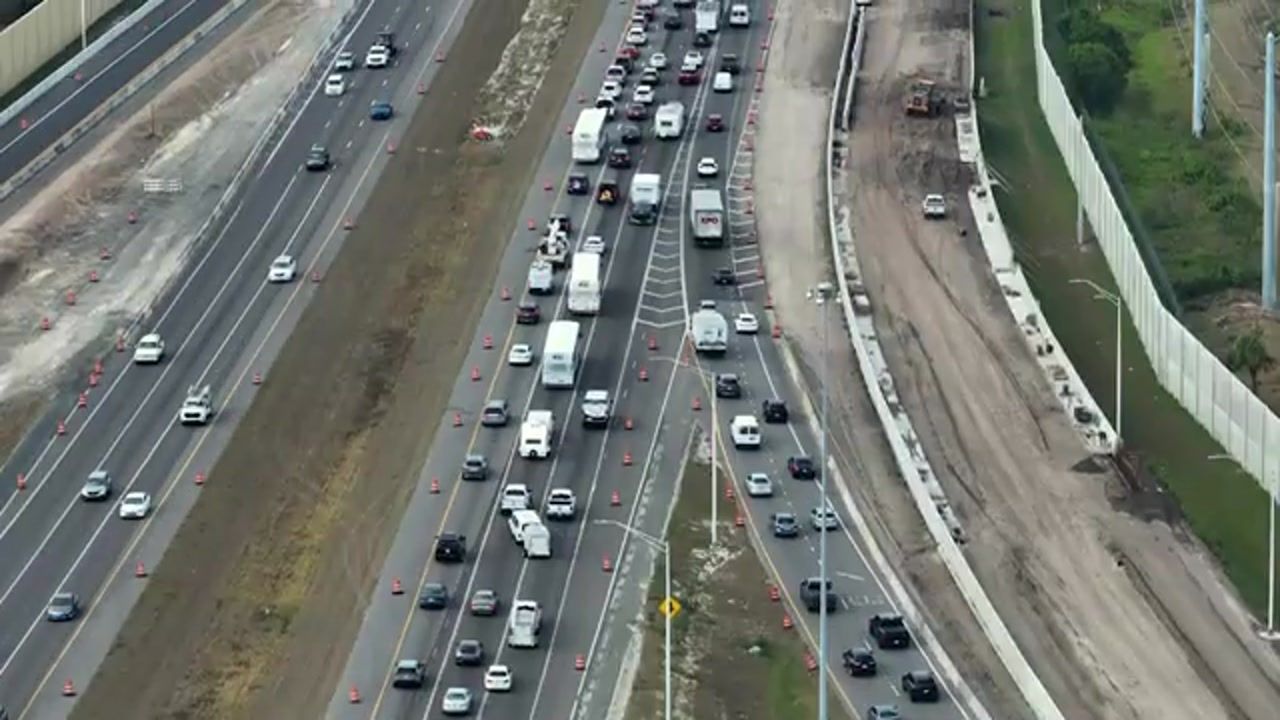
This one irks me more than all the rest. Columbus, Ohio has some of the worst drivers in the United States. I know this because I've lived here for 26 years. People cannot drive here. And with the growing economy and the massive amount of people coming to the area, it is only getting worse.
People are driving slower, there's more congestion, and there's just more traffic in general. In 2023, I am seeing more accidents everywhere I go than I've ever seen. I'm not sure if people just don't care or if they're in a rush, but it's bad. If you work at 8 AM, expect to leave at 6:30 or 6:45 AM. I am not exaggerating. A 20-minute drive in the mornings can become an hour if you have to get on the freeway.
Plan accordingly. Give yourself wiggle room so you're not late, panicking, honking at people, causing an accident, or rushing to get over. And if you have kids with sporting events in the afternoon, traffic gets pretty bad starting around 4 PM all the way to 6 or 6:30 PM on most of the major freeways.
Now, on the plus side, all this traffic and construction means the city is growing. It's not all bad. Columbus is having some growing pains as they work on the infrastructure to make the city easier to commute. But right now, it's rough. Drive safe, leave early, and you should be fine.
Morning and Afternoon Commute Windows
Morning commute: leave by 6:30-6:45 AM if you start at 8 AM. Afternoon traffic: 4-6:30 PM on major freeways. That's your reality if you're commuting into the city or across town.
Public Transportation Limits: Why You Need a Car
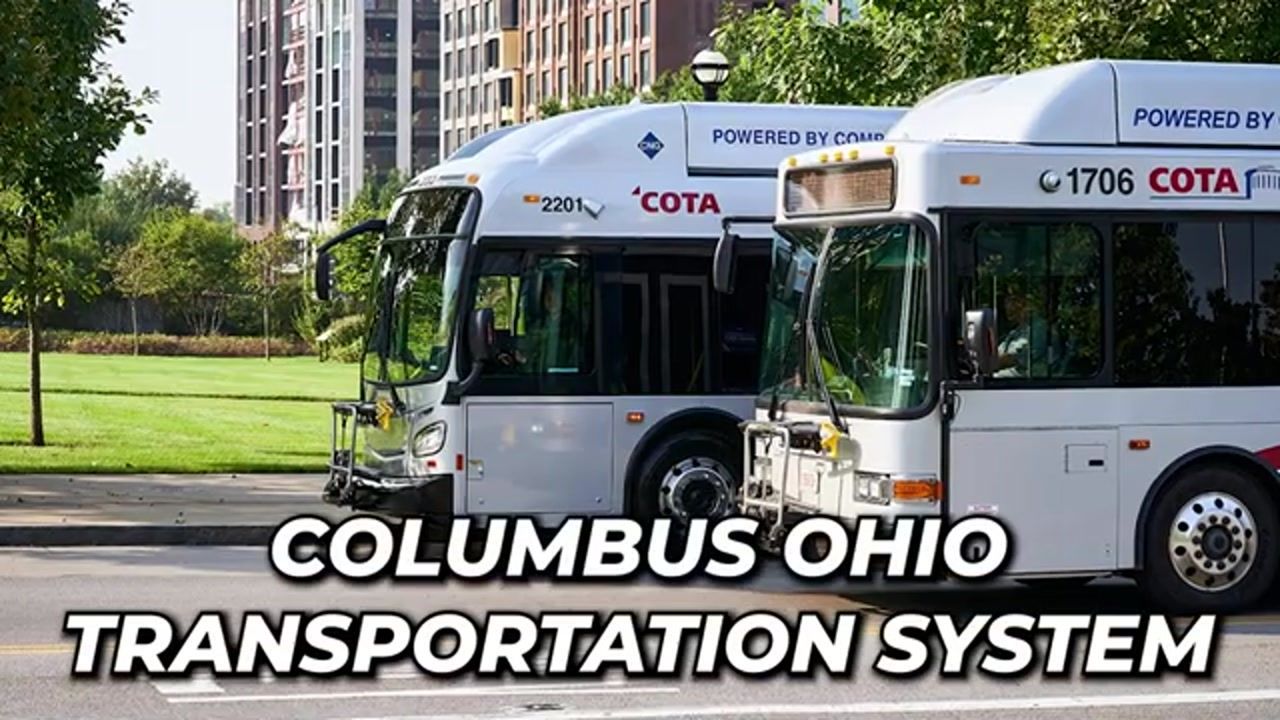
Columbus has a busing system called the COTA, Central Ohio Transit Authority. It's just buses that run throughout Columbus. The downfall is that it doesn't go too far out into the suburbs. If you live downtown, it gets you most places downtown. But most people say you have to wait sometimes an hour or even two depending on how far the bus has to take you. It's stop and go.
We do not have a traditional train or subway system here in Columbus, Ohio. I do know the city is working on major infrastructure improvements, but don't get too happy. Things usually take a while to get done here. They plan on making highways easier, adding more roads, adding more bridges to reduce congestion. But this may take 5 to 10 years, and if I had to guess, it'd be probably closer to that 10-year mark. It's a huge project, a huge budget, and with construction there are usually delays.
So just be prepared, there is no train or subway system here. Get used to taking the bus or riding Ubers. With Ubers, though, I don't really like riding them because they can get expensive, especially during prime hours. Ubers are just insanely expensive during those times, so I try to avoid that at all costs.
If you don't have a car and you move here, I highly recommend that you budget to get a car or you have a reliable source of transportation, whether that's a friend or somebody you meet here. It will make your life so much easier in the long run.
Housing Costs Are Rising Fast, And Bidding Wars Are Real
Columbus, Ohio is one of the more affordable metropolitan areas in the United States. But Columbus has been ranked in the top 5 real estate markets in the entire country according to realtor.com. With that, home prices are going up. There are way more buyers than there are houses for sale right now with all the growth and economic expansion. It's just becoming super hard to find a home at an affordable price.
In my opinion, you cannot find a home under $350,000, I would say closer to $400,000, with 3 bedrooms, 2 baths, a 2-car garage, and a basement in a good school district that's not going to break the bank. That's what everybody with a household is looking for, and it's tough to find under $400,000.
Housing is somewhat affordable here compared to other major metros, but in my prediction, housing in Columbus over the next five years will become increasingly more unaffordable, especially for first-time buyers. If you're watching this and you are moving here, just know there are good options for you. New construction is always a good option because there are no bidding wars.
If you look at a house on the existing market, I can almost guarantee you if it's in a good area, in a good school district, and it's priced right, there will be multiple offers. There's no ifs, ands, or buts about it. I know this market inside and out. So just be prepared to possibly spend more than you're willing to in order to buy the home you want.
New Construction vs. Existing Homes
- Choose new construction if you want to avoid bidding wars and have more control over the process.
- Choose existing homes if you're willing to compete and move fast in a good school district.
Either way, expect competition and rising prices.
Which Challenges Matter Most to You?
Every city has trade-offs. Columbus is growing fast, and that growth brings opportunity, but it also brings congestion, rising costs, and infrastructure that's playing catch-up. If you're coming from a place with mild weather, low taxes, or great public transit, you'll feel the adjustment. If you're coming from Seattle or California, the taxes might not faze you, but the humidity and traffic will.
Here's how I'd break it down:
- Choose Columbus if you want affordability compared to coastal metros, a strong economy, and a growing job market.
- Be ready for the weather if you're not used to frigid winters and humid summers.
- Budget for a car because public transportation is limited and commute times are real.
- Expect competition in the housing market, especially in good school districts.
Columbus is a great place to live. I don't want to scare you. But I do want to be completely honest. This is a growing city, so there are some growing pains. Overall, it's a fantastic place to call home.
Final Thoughts: Columbus Is Growing, and It Shows
I've been here my whole life, and I've watched Columbus change. The traffic is worse, the housing market is tighter, and the city is working hard to keep up with the influx of people. But that growth is also a sign of strength. Columbus is ranked in the top 5 real estate markets in the country for a reason, people want to be here.
If you're planning a move, come prepared. Know the tax structure, plan for the commute, budget for a car, and be ready to compete for housing. And if you want help navigating this market, that's exactly what I do. I work with people relocating here from all over, and I'd love to help you find the right fit.
Reach out anytime, call or text me at (614) 719-9823, or email movingtoolumbusoh@gmail.com. Let's talk about what you're looking for and how to make it happen.
FAQ
How bad is the winter weather in Columbus, Ohio?
Winters are frigid. With the wind chill, it can feel like below zero. You'll need a thick coat, gloves, boots, and layered socks. Snow happens, but the cold is what catches people off guard.
What are property taxes like in Columbus suburbs?
Property taxes are high in popular suburbs like Dublin, Westerville, Gahanna, Blacklick, and New Albany. Properties get reassessed every six years, and taxes can increase at the three-year midpoint.
Do I need a car to live in Columbus?
Yes. The COTA bus system serves downtown but has limited suburban reach, and you can wait an hour or more. There's no train or subway system. Ubers are expensive during prime hours. A car is highly recommended.
How competitive is the Columbus housing market?
Very competitive. There are more buyers than inventory, especially in good school districts. Expect multiple offers on well-priced homes. New construction is a good option to avoid bidding wars.
How long is the morning commute in Columbus?
A 20-minute drive can become an hour during morning rush. If you start work at 8 AM, plan to leave by 6:30 or 6:45 AM. Afternoon traffic runs from 4-6:30 PM on major freeways.
Is Columbus still affordable compared to other cities?
Yes, Columbus is one of the more affordable major metros. But housing costs are rising. You're looking at $350,000, $400,000+ for a 3-bedroom, 2-bath home with a 2-car garage and basement in a good school district.
Blake Kircher
Blake is dedicated to highlighting Columbus via his YouTube channel. He delves into various neighborhoods and emphasizes market trends, offering valuable insights for anyone considering a move to the city.
WATCH VIDEOS
Check out Blake Kircher's latest video for expert insights into the Columbus real estate market! As a leading pro in team relocations, Blake shares valuable advice tailored to you.